Since 1946, Cornilleau has moved through the eras with the same high standard: creating durable, innovative products that are deeply rooted in their time. For 80 years, the brand has never stopped evolving, opening new paths, and supporting society's transformations, without ever losing what defines its identity.
At Cornilleau, the bounce is not just a move in the game. It is a way of moving forward, of reinventing oneself without giving up on the essentials. With a constant ambition: to design and manufacture quality, sustainable, and stylish sports and leisure products in France that create connections and joy. An ambition pursued responsibly, at the service of a living French savoir-faire.
80 years of rebounds
Since 1946, Cornilleau has moved through the eras with the same high standards: creating durable, innovative products deeply rooted in their time. For 80 years, the brand has never stopped evolving, opening new paths, and supporting societal transformations, without ever losing what makes its identity.
At Cornilleau, the "rebound" is not just a game movement. It is a way of moving forward, of reinventing oneself without giving up the essentials. With a constant ambition: to design and manufacture in France high-quality, durable, and stylish sports and leisure products that create connections and joy. An ambition pursued responsibly, in the service of a living French expertise.
Une histoire française au rythme des
évolutions de la société
L’histoire de Cornilleau s’inscrit dans celle de la société française. Celle d’une marque qui a su observer les évolutions des modes de vie, les anticiper parfois, et y répondre avec justesse.
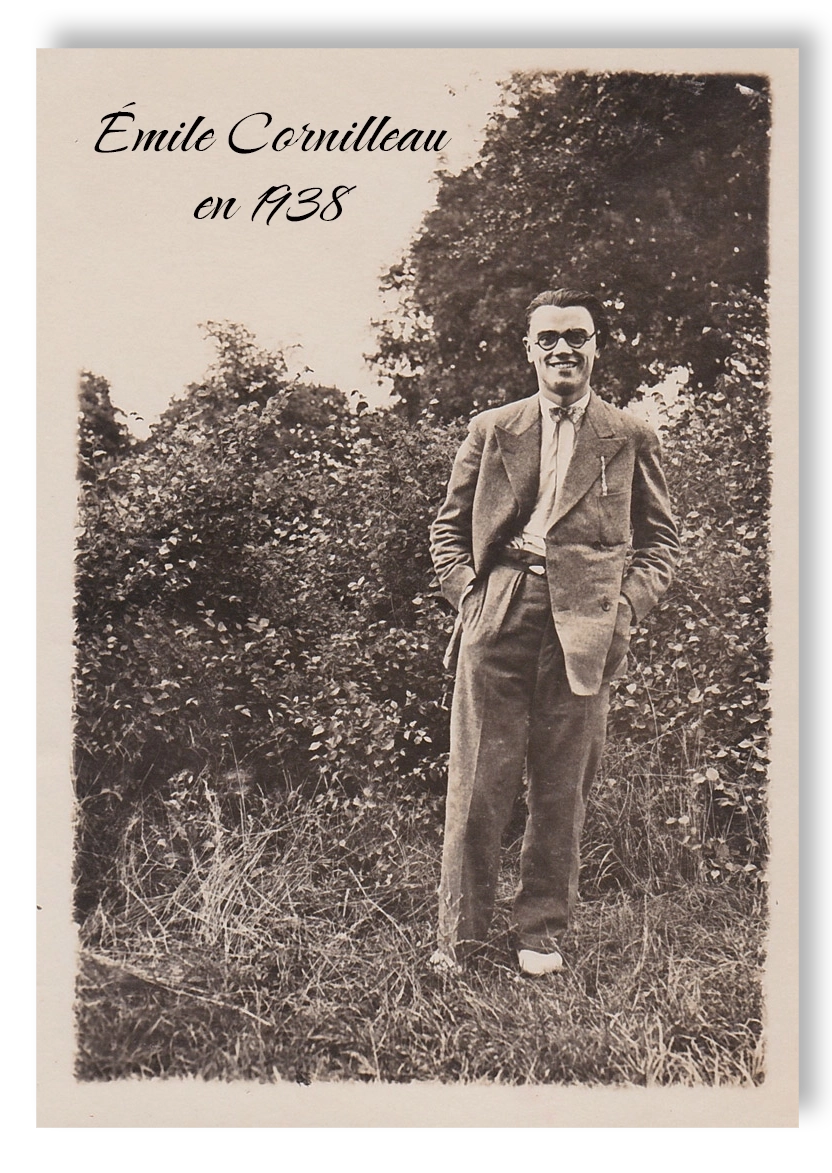
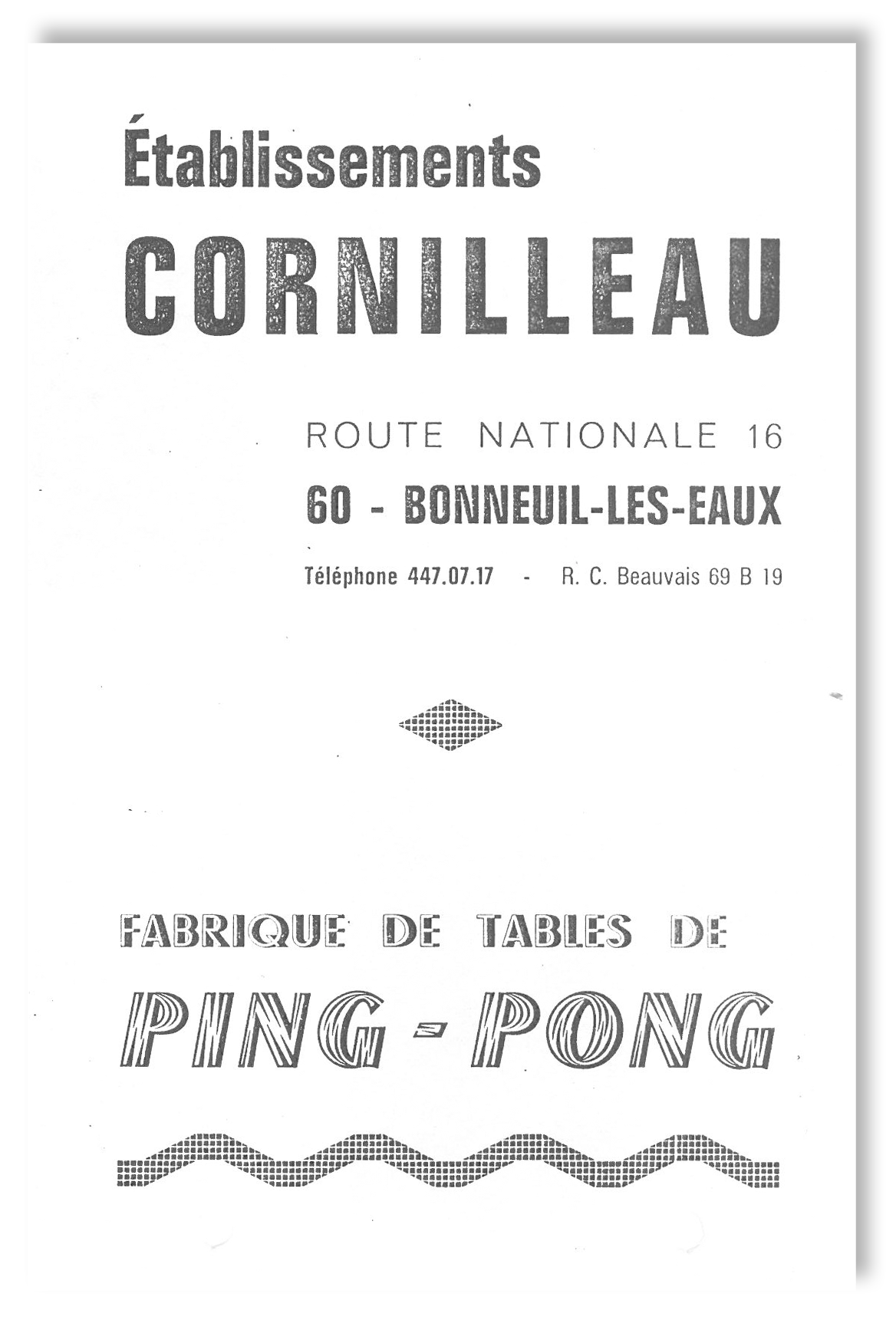
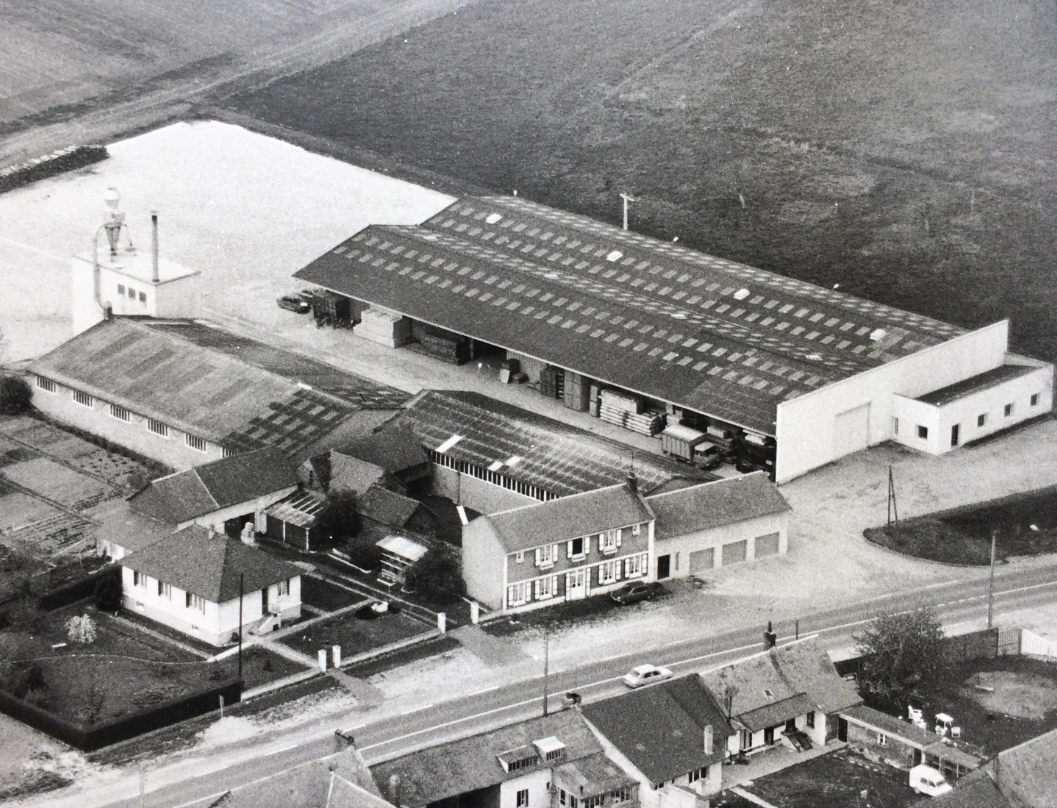
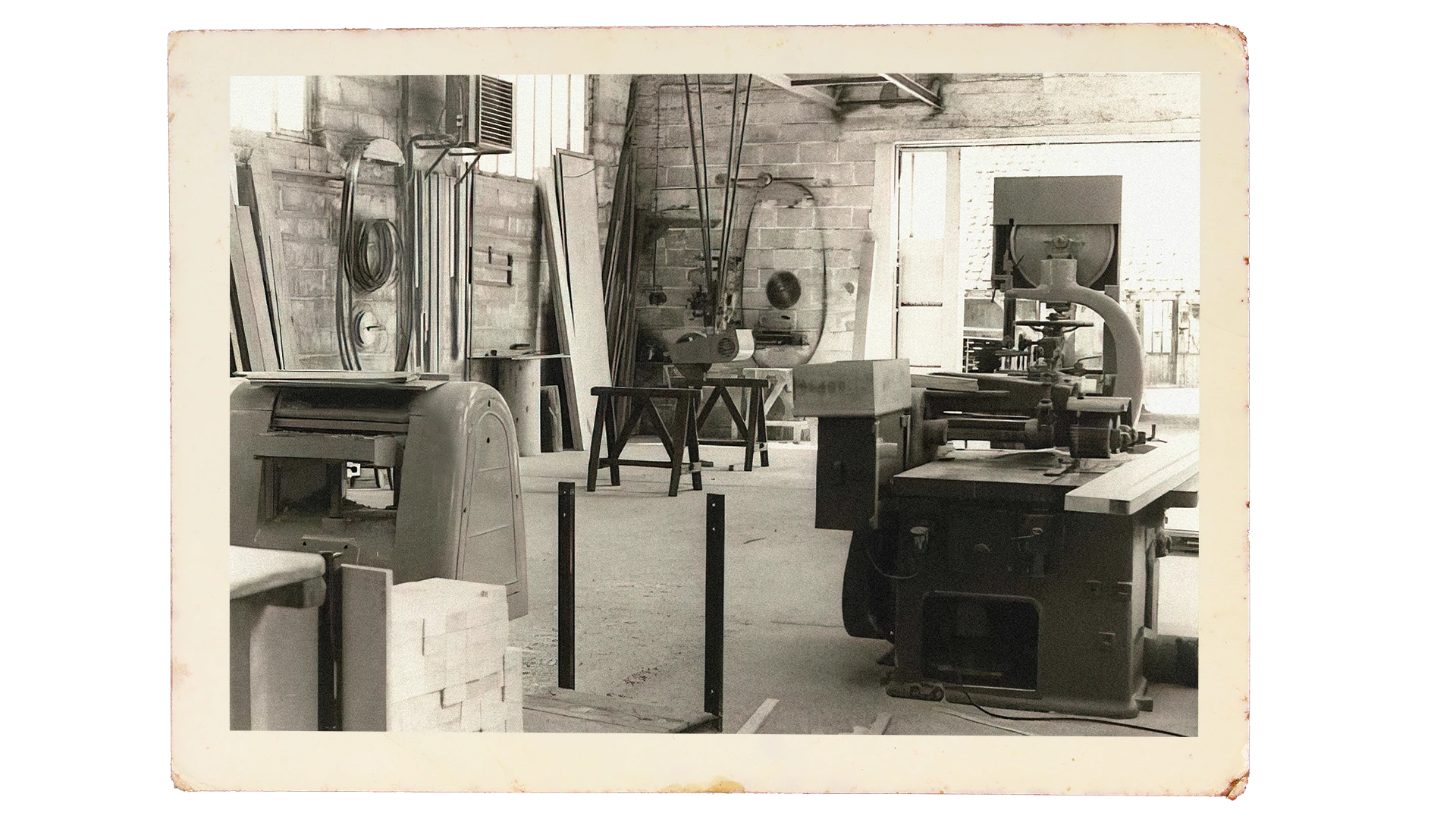
Tout commence dans la France d’après-guerre, au moment où le pays se reconstruit. À Bonneuil-les-Eaux, dans l’Oise, l’entreprise participe d’abord à la remise en état des habitations de la région. Fondés par Émile Cornilleau et spécialisés dans le travail du bois, les établissements Cornilleau sont reconnus pour la qualité de leur savoir-faire et prennent part à de nombreux chantiers. Quelques années plus tard, alors que la France entre dans la société des loisirs, Cornilleau amorce un tournant décisif.
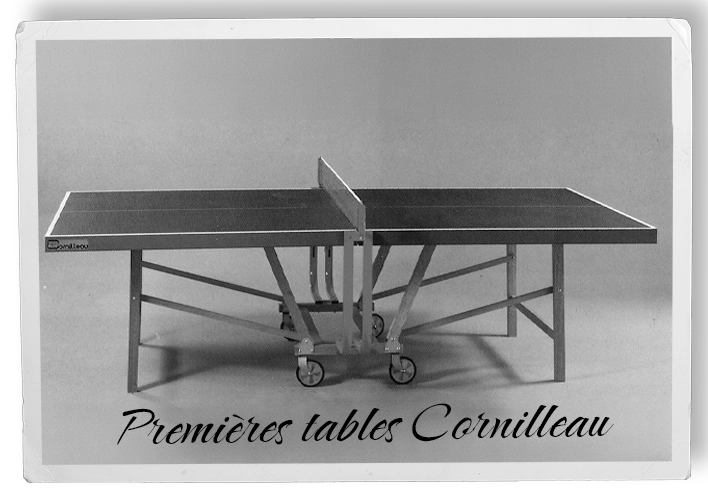
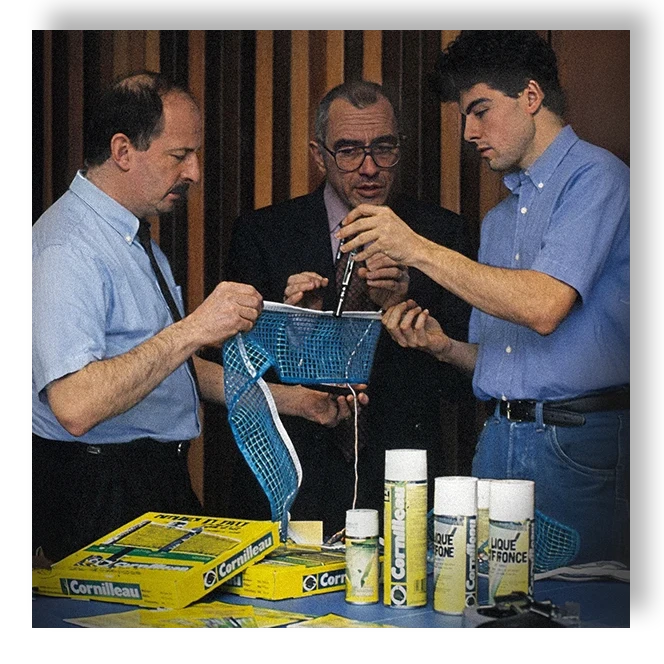
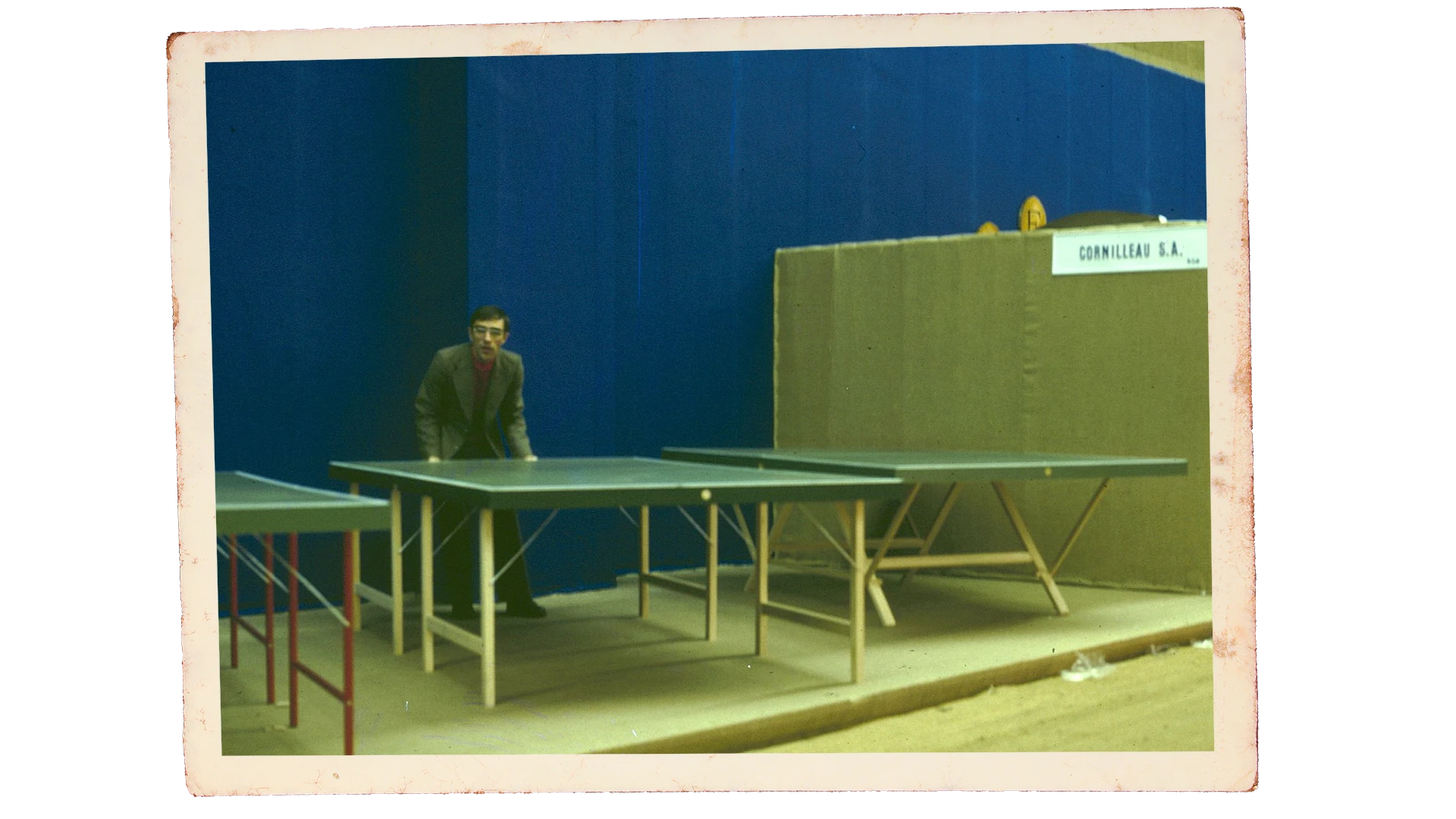
En 1969, le BHV souhaite proposer un nouveau produit dans ses rayons : des tables de ping-pong. L’enseigne sollicite Cornilleau, qui relève le défi malgré des délais très courts pour produire les 300 tables demandées. L’entreprise se transforme alors rapidement pour devenir spécialiste du tennis de table. Ce virage dit déjà quelque chose d’essentiel de Cornilleau : sa capacité à lire son époque et à y répondre avec agilité.
A French story in step with societal changes
The history of Cornilleau is woven into that of French society. It is the story of a brand that has been able to observe changes in lifestyles, sometimes anticipate them, and respond to them with precision.
It all began in post-war France, at a time when the country was rebuilding itself. In Bonneuil-les-Eaux, in the Oise region, the company first participated in the restoration of homes in the area. Founded by Émile Cornilleau and specializing in woodworking, the Établissements Cornilleau were recognized for the quality of their expertise and took part in numerous construction projects. A few years later, as France entered the "leisure society," Cornilleau took a decisive turn.
In 1969, the BHV department store wanted to offer a new product on its shelves: ping-pong tables. The retailer approached Cornilleau, which took up the challenge despite very tight deadlines to produce the 300 requested tables. The company then quickly transformed itself to become a specialist in table tennis. This turning point already says something essential about Cornilleau: its ability to read the times and respond with agility.
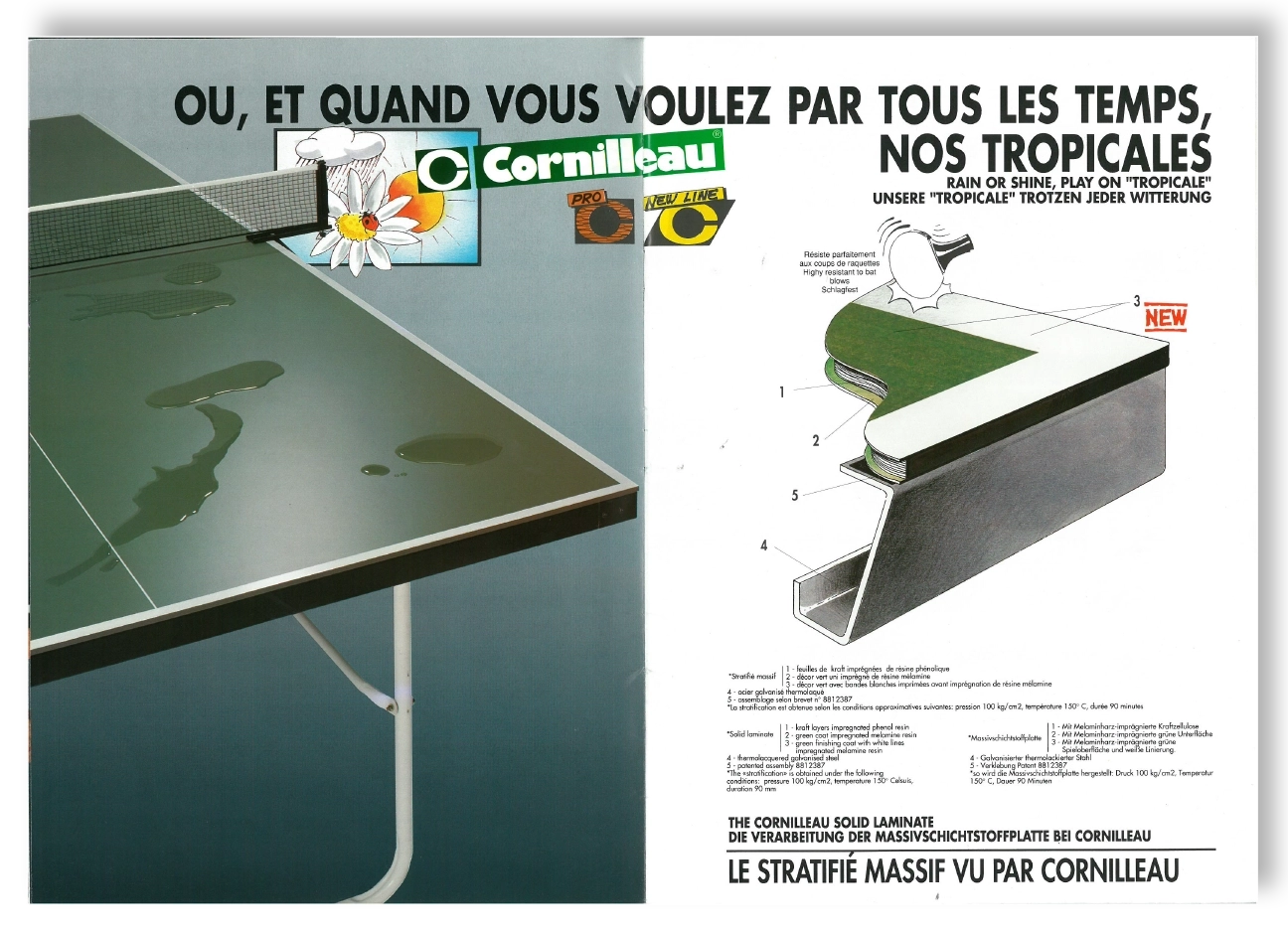
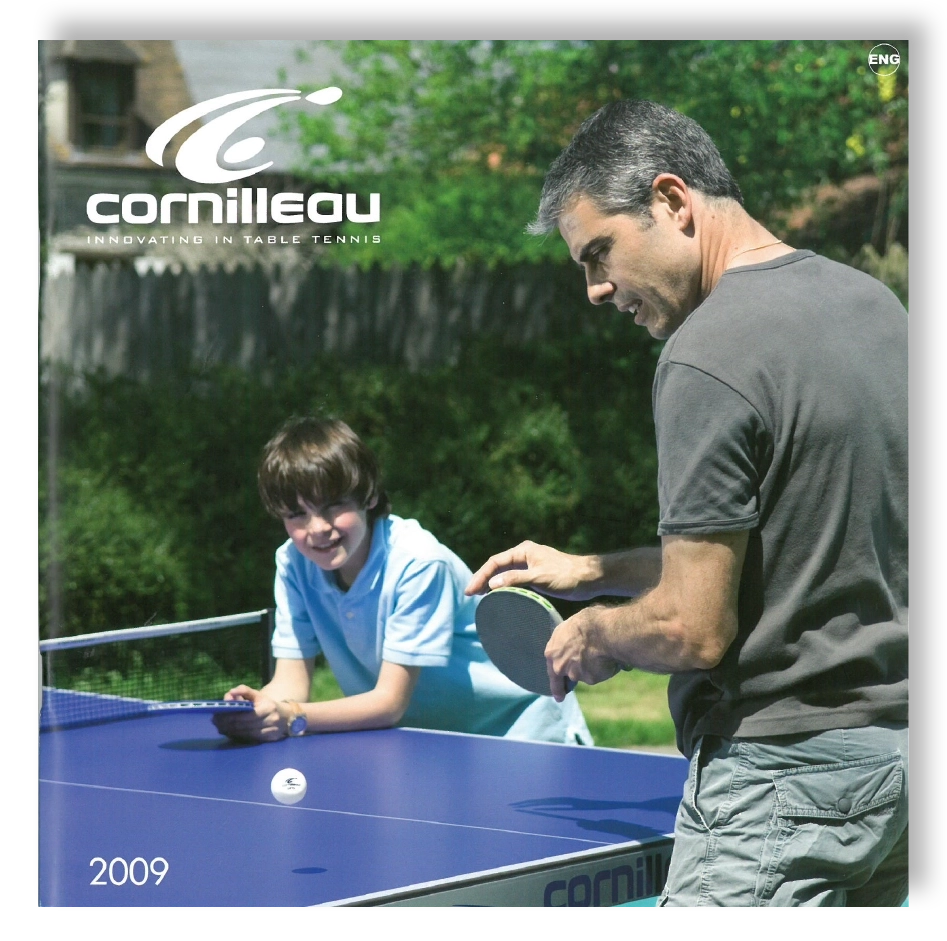
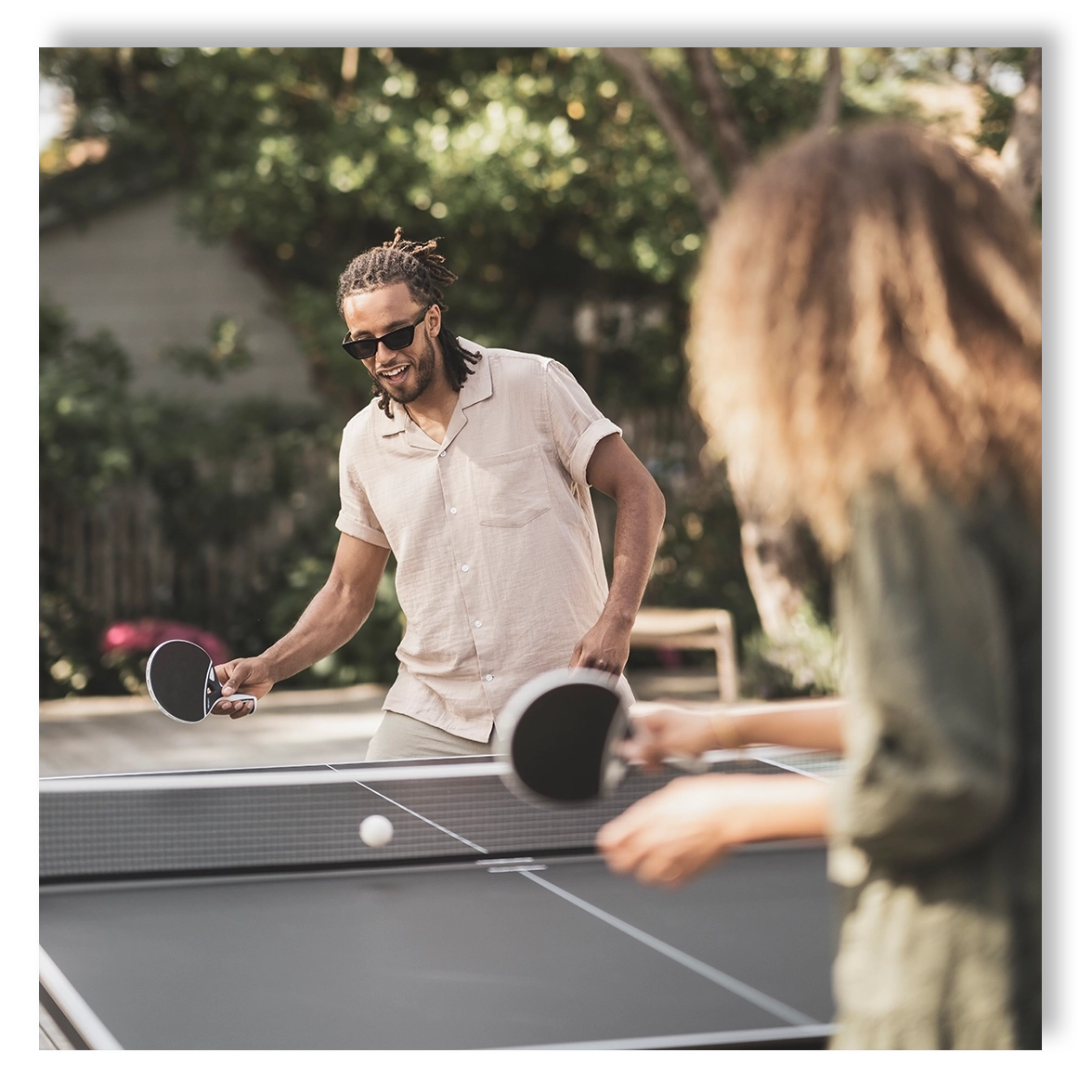
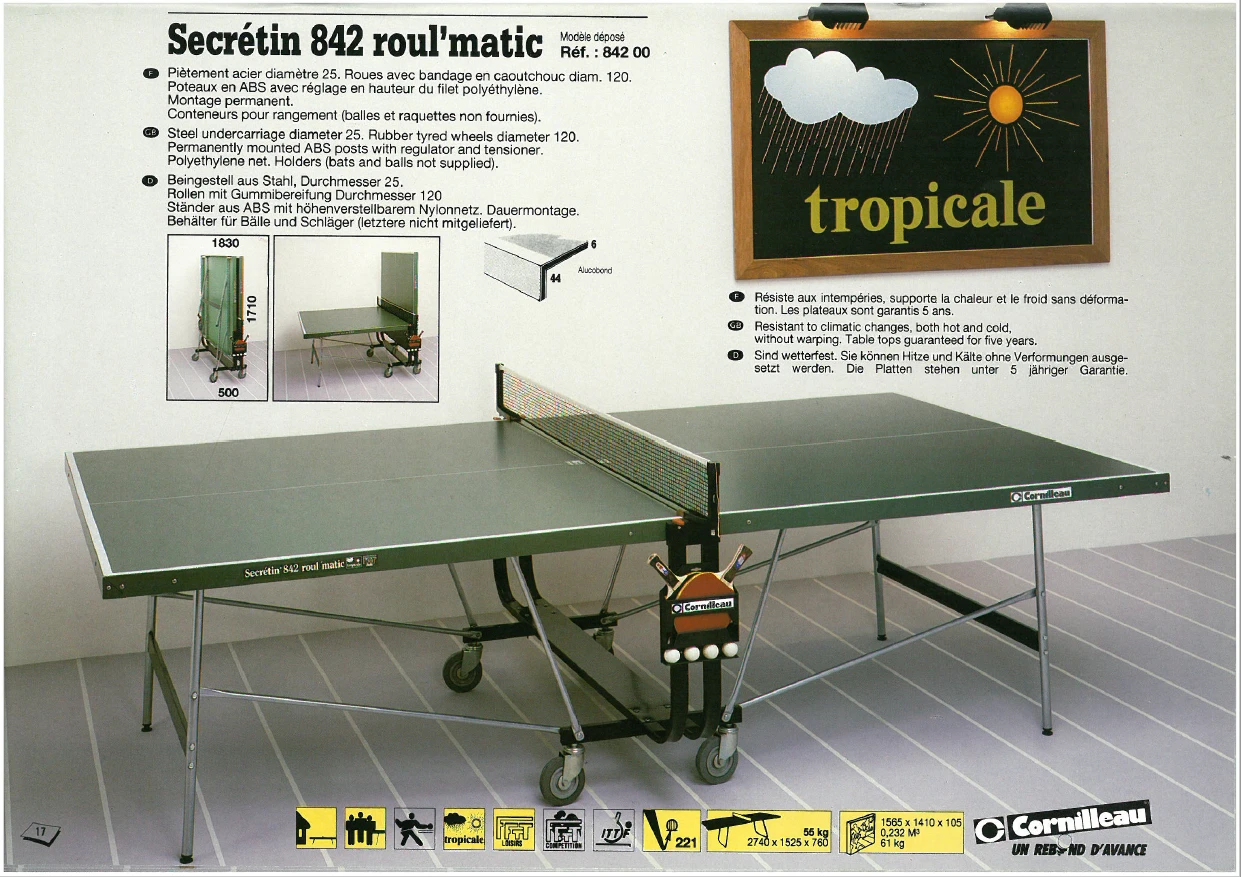
Dans les années 1980, alors que les jardins prennent une place nouvelle dans la vie des familles, Cornilleau comprend que l’extérieur devient un véritable espace de vie. On y déjeune, on y reçoit, on y joue, on y partage des moments en famille ou entre amis. La marque démocratise alors la table de ping d’extérieur, conçue pour résister durablement aux conditions extérieures. La pratique évolue profondément, au point qu’aujourd’hui le tennis de table de loisir se joue majoritairement dehors.
Pour répondre aux attentes de ses clients et se démarquer de la concurrence, Cornilleau fait très tôt le choix de la durabilité, à une époque où la consommation de masse s’impose. La marque s’appuie plus que jamais sur le made in France, avec un outil de production en constante évolution et un réseau complet de partenaires locaux. Elle répond aussi aux attentes croissantes de praticité, de sécurité et d’ergonomie avec des tables compactes et pliantes.
In the 1980s, as gardens took on a new significance in family life, Cornilleau realized that the outdoors was becoming a true living space. It was a place for lunch, hosting guests, playing, and sharing moments with family or friends. The brand then democratized the outdoor ping-pong table, designed to durably withstand outdoor conditions. The way people play evolved profoundly, to the point that today, leisure table tennis is mostly played outdoors.
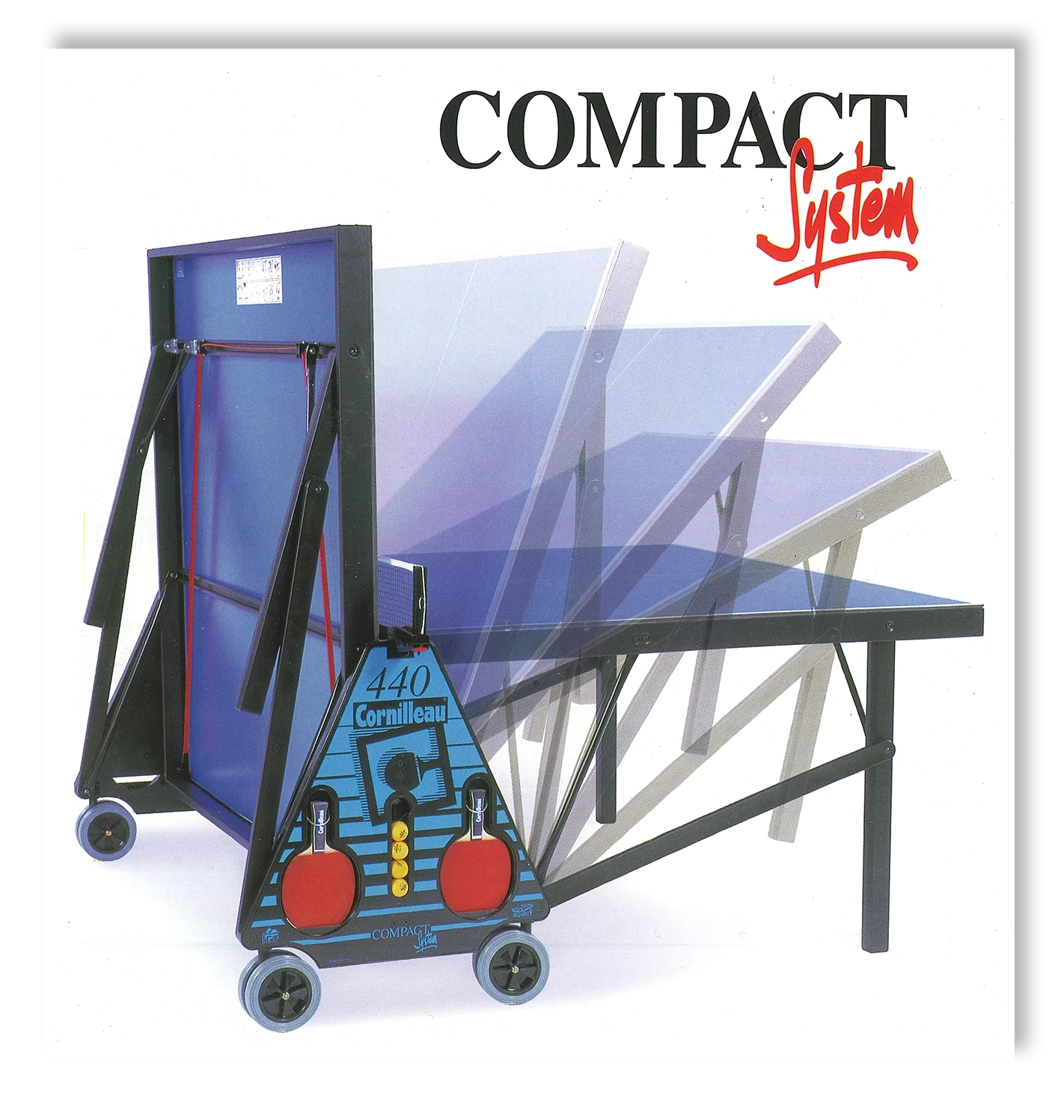
To meet customer expectations and stand out from the competition, Cornilleau made the choice of durability very early on, at a time when mass consumption was becoming the norm. The brand relies more than ever on "Made in France," with a constantly evolving production facility and a full network of local partners. It also meets growing demands for practicality, safety, and ergonomics with compact and folding tables.
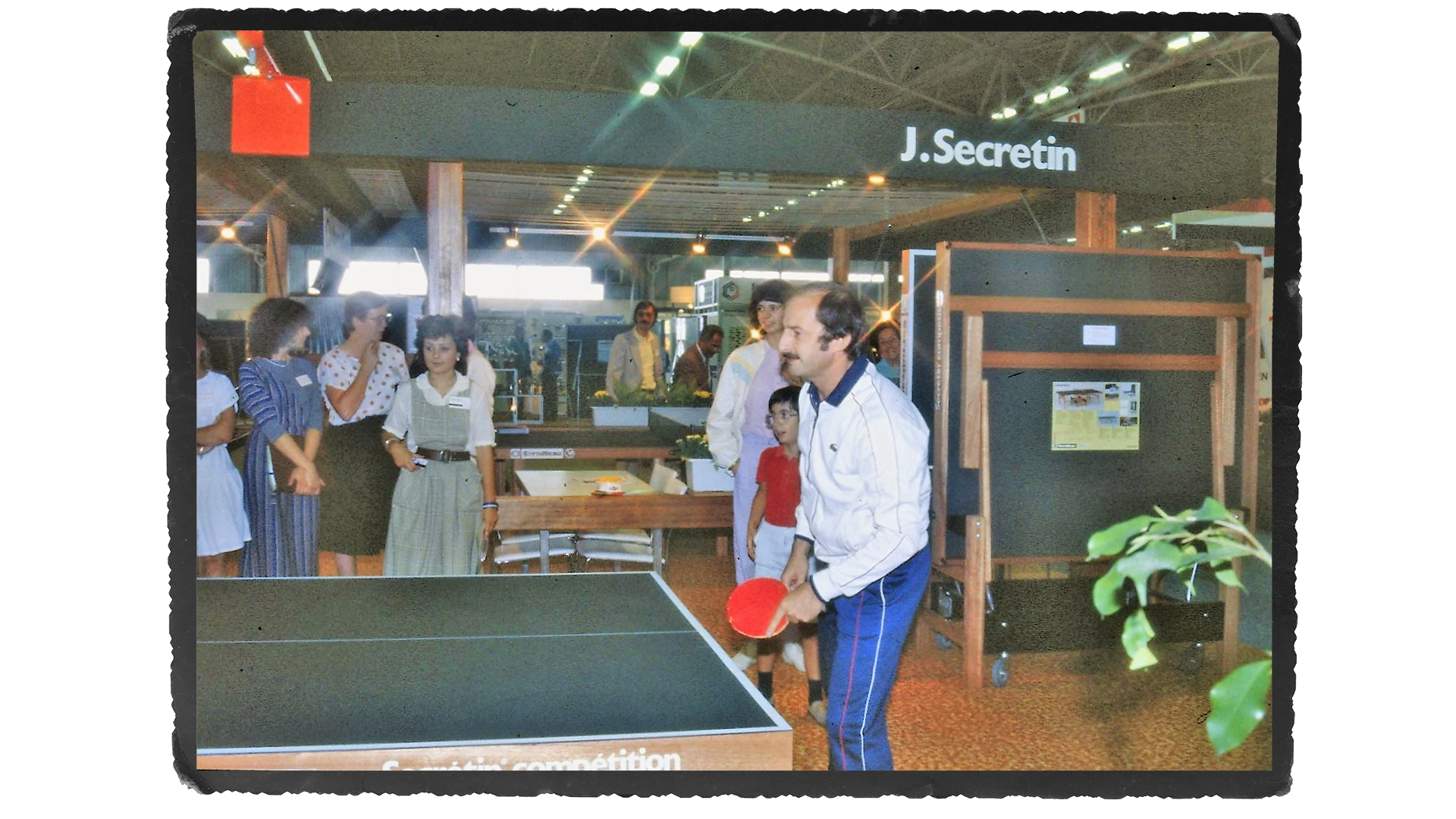
From the late 1980s to the 2000s, society turned increasingly toward entertainment and events. Television took a growing place in households, and sports gained visibility. Cornilleau then successively enlisted the services of two legends of French table tennis. Jacques Secrétin, known for his shows, helped make ping-pong popular and friendly in the eyes of the general public. Jean-Philippe Gatien, for his part, changed the perception of the sport, which was becoming increasingly demanding and spectacular. He later joined the company to develop the competition range.
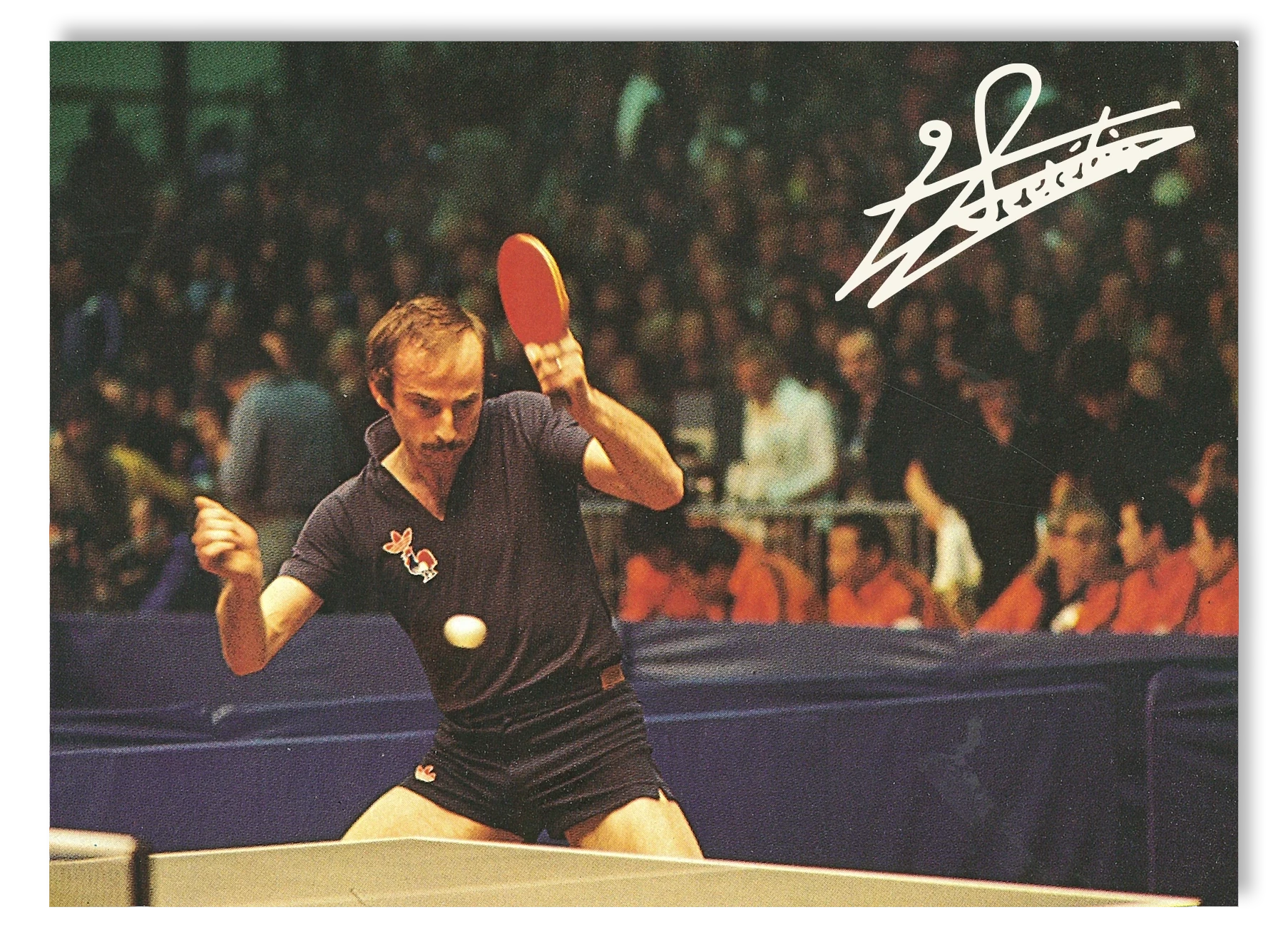
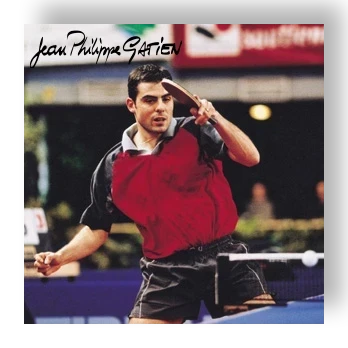
From the late 1980s to the 2000s, society turned increasingly toward entertainment and major events. Television took on a growing role in households, and sports gained greater visibility. During this time, Cornilleau successively enlisted the services of two legends of French table tennis. Jacques Secrétin, famous for his shows, helped make "ping" popular and likable in the eyes of the general public. Jean-Philippe Gatien, meanwhile, shifted the perception of the sport, which was becoming increasingly demanding and spectacular. He later joined the company to develop the competition range.
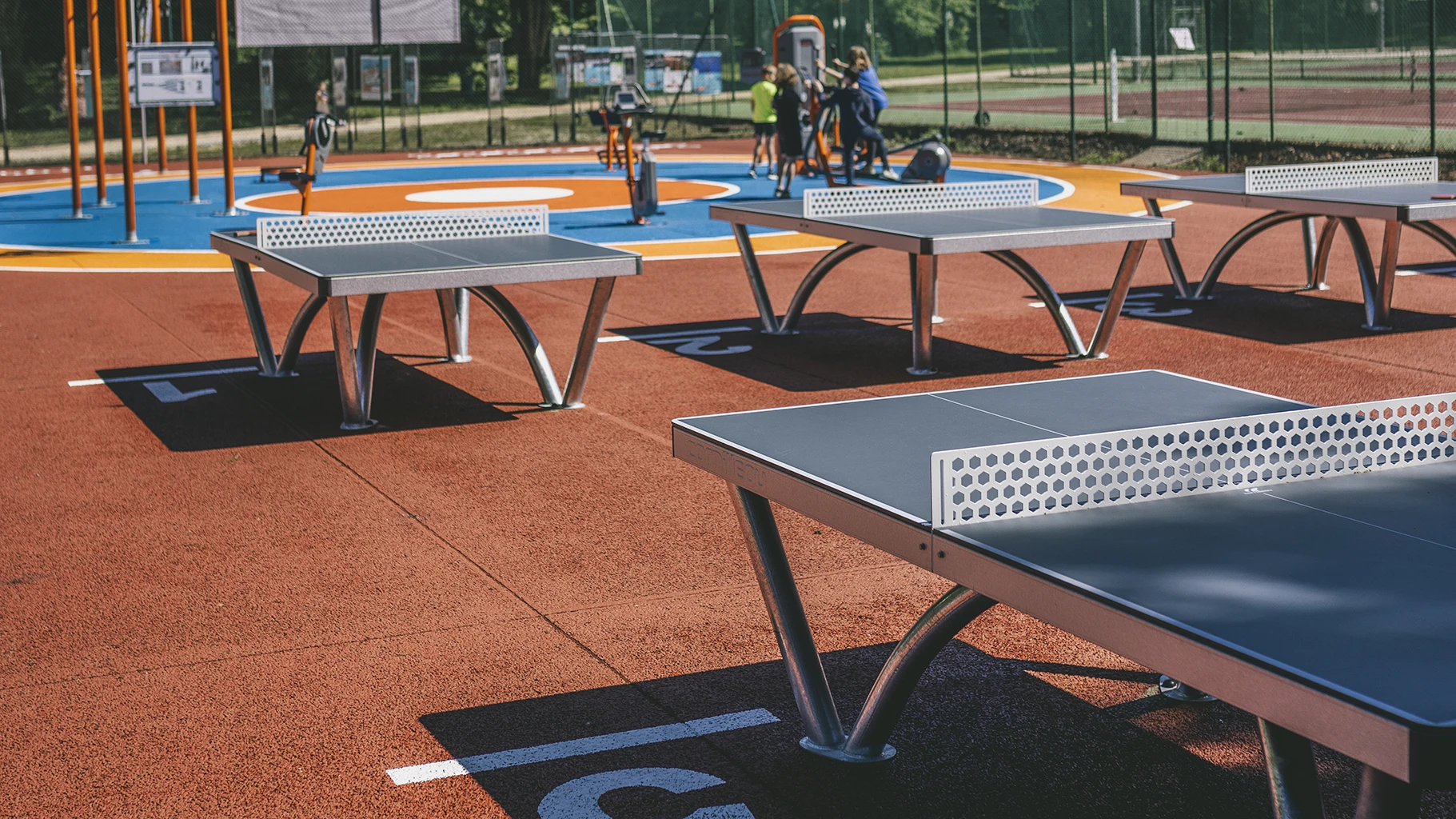
In the 2000s, Cornilleau continued to support the evolution of playing habits. The brand played an active role in the rise of ping-pong in public spaces and open-access areas, with dedicated tables whose robustness won over the market.
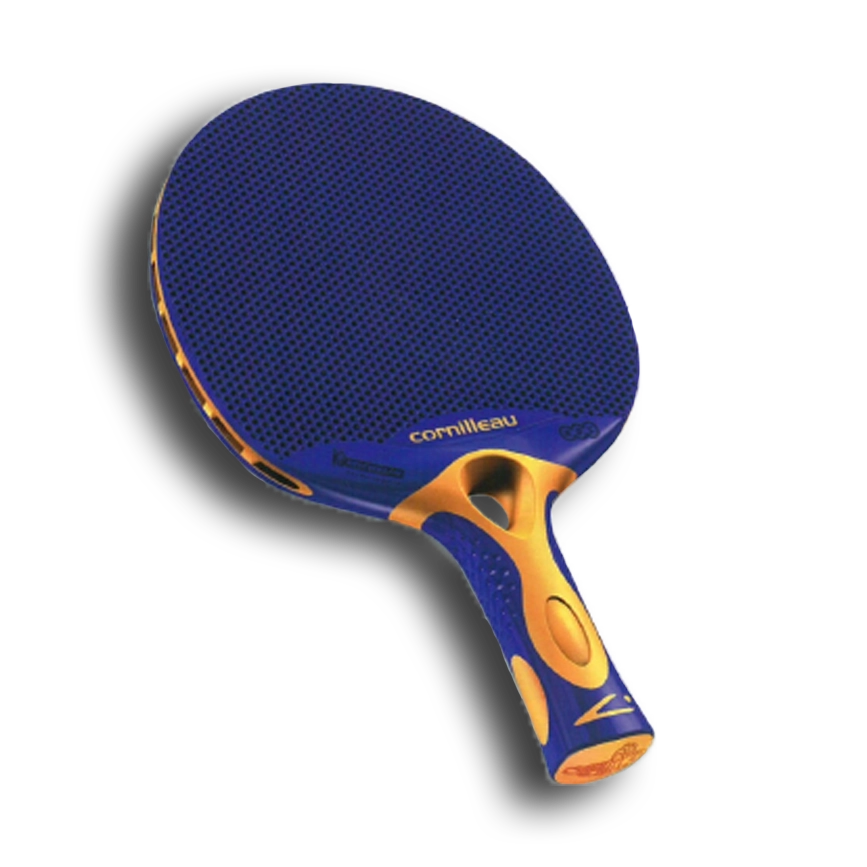
It established itself as a brand capable of approaching table tennis in all its diversity, addressing all its audiences: competitors, private individuals, and local authorities. It also developed outdoor rackets, which offered much more durable alternatives to traditional black and red rackets. These initial diversifications paved the way for more to come.
In the 2000s, Cornilleau continued to support the evolution of playing habits. The brand actively participated in the growth of ping-pong in local communities and open-access spaces, with dedicated tables whose robustness won over the market.
It established itself as a brand capable of approaching ping-pong in all its diversity, addressing all its audiences: competitors, individuals, and local authorities. It also developed outdoor rackets, far more durable alternatives than traditional black and red rackets. These first steps into diversification would soon lead to others.
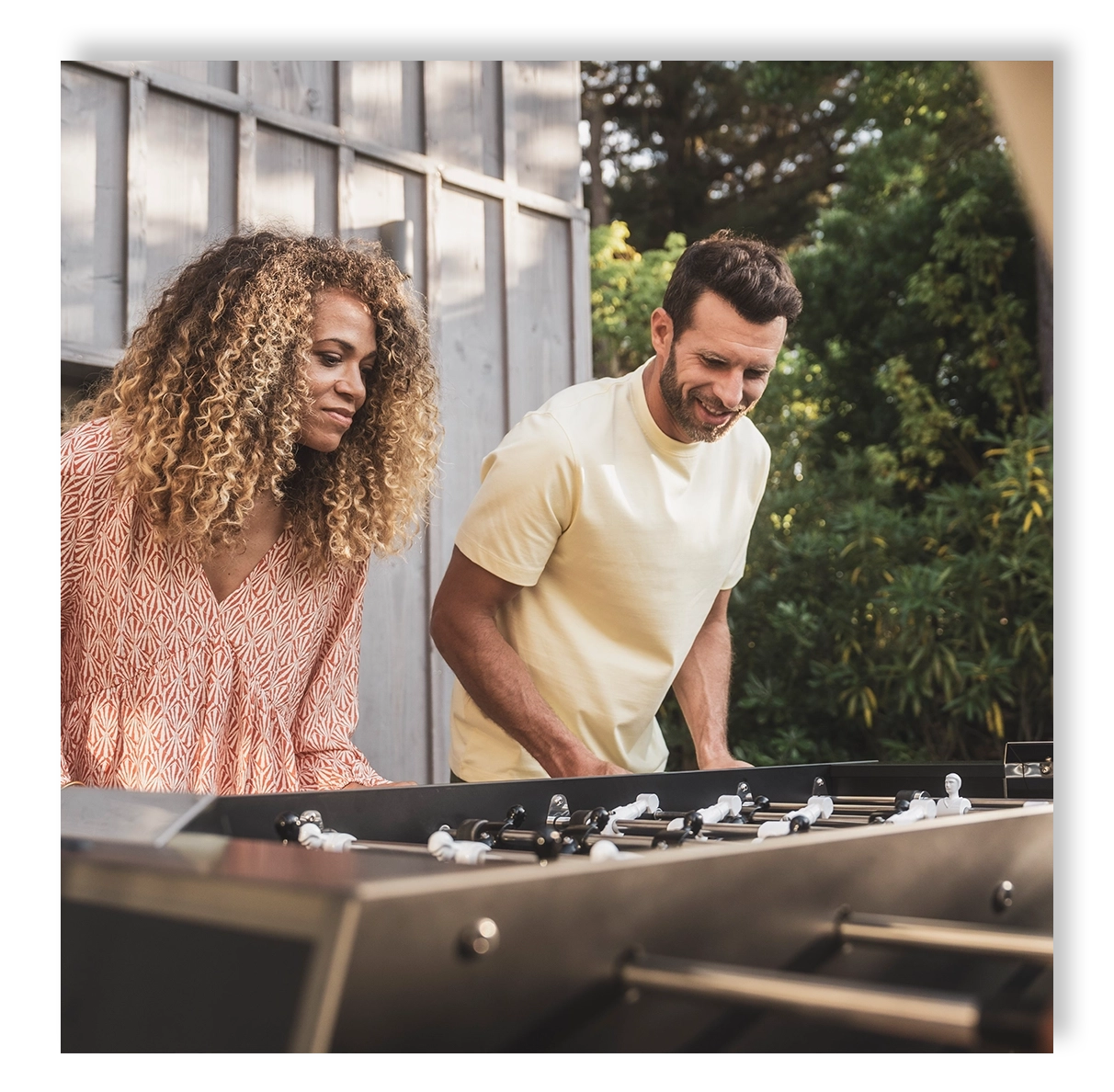
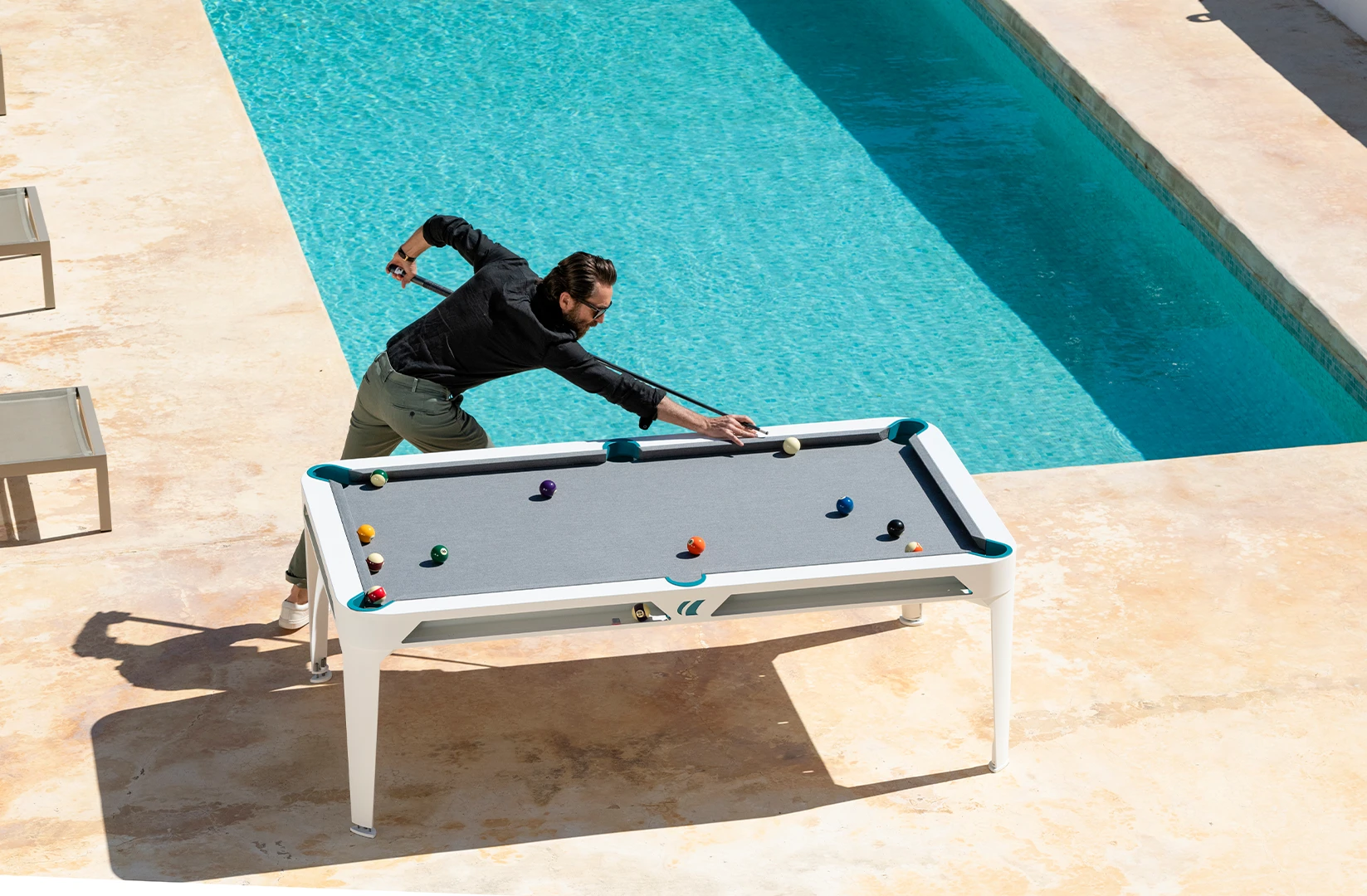
In the 2010s, gardens became true living spaces. People began furnishing and decorating them, and design took on a growing role. This movement accelerated further with the lockdowns and became firmly established in the 2020s. Cornilleau then chose to go further with Play-Style, its range of designer game furniture. Billiards, foosball, and ping-pong tables are now conceived as actual pieces of furniture, as pleasing to look at as they are to use. Faithful to its culture, the brand shakes up conventions to meet new lifestyles.
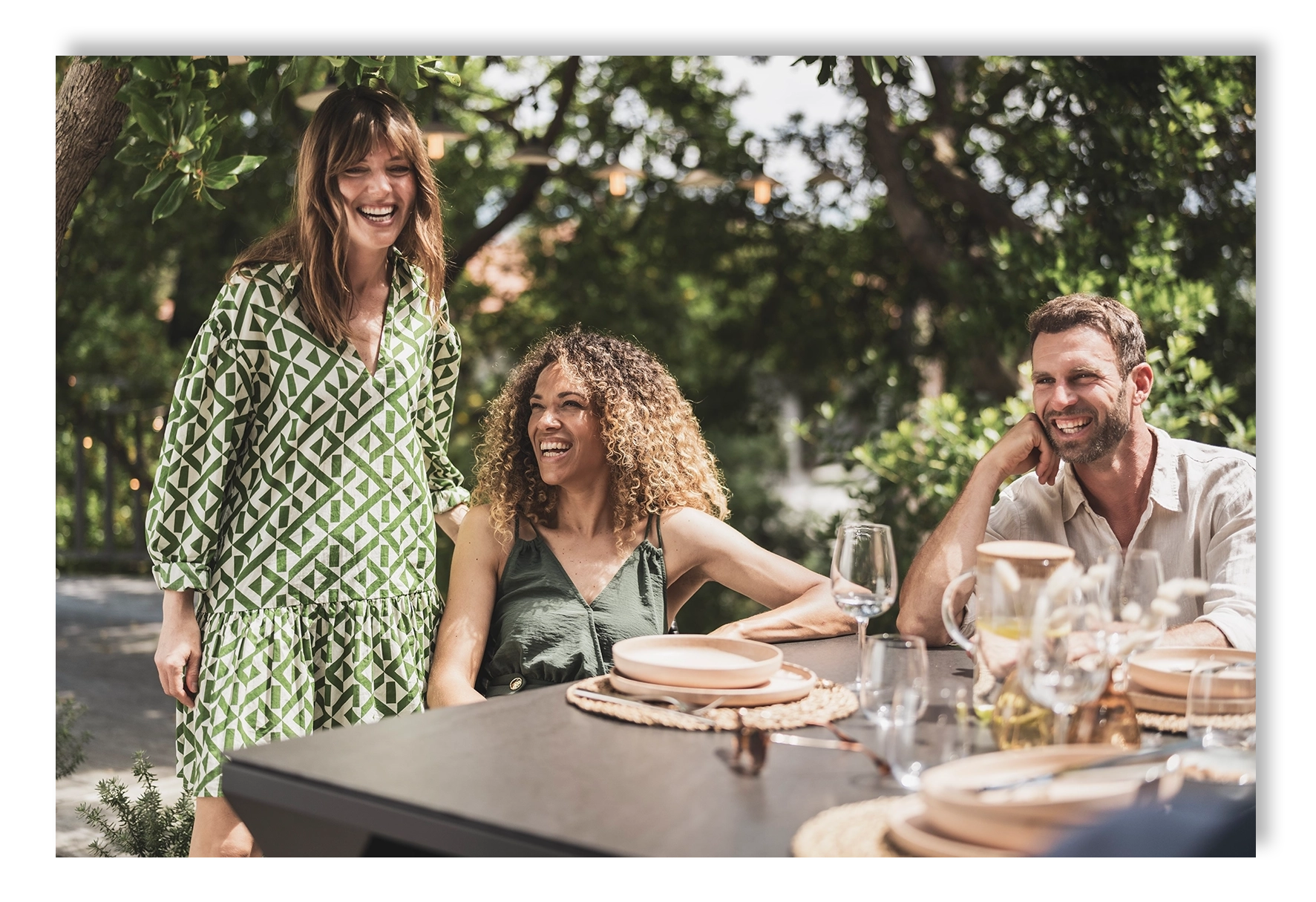
Through this trajectory, Cornilleau also tells a certain story of French society: that of a country that transitioned from reconstruction to leisure, and then from leisure to a more global art of living, where well-being, conviviality, attention to living spaces, and a taste for beautiful objects play an increasingly important role.
In the 2010s, gardens became true living spaces. They were being landscaped, decorated, and design began to play an increasing role. This movement accelerated further during the lockdowns and then became permanently anchored in the 2020s. Cornilleau then chose to go further with Play-Style, its range of designer game furniture. Billiards, foosball, and ping-pong tables are now designed as actual pieces of furniture, as pleasing to look at as they are to use. Faithful to its culture, the brand shakes up the codes to meet new uses.
Through this trajectory, Cornilleau also tells a certain story of French society: that of a country that moved from reconstruction to leisure, then from leisure to a more global art of living, in which well-being, conviviality, attention to living spaces, and a taste for beautiful objects occupy an increasing place.
80 years of innovation
1946
Creation of Établissements Cornilleau
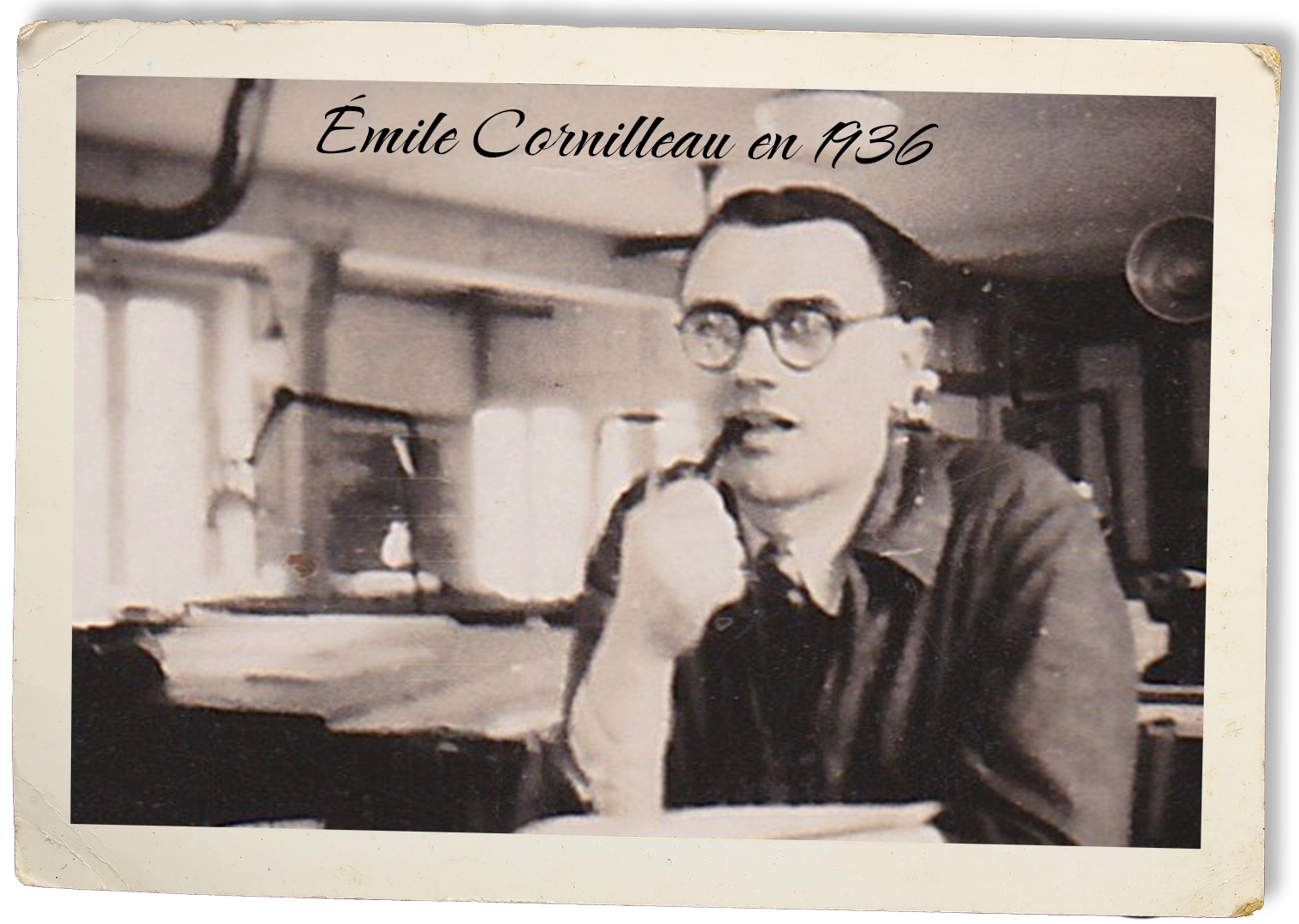
Émile creates Établissements Cornilleau, a joinery and cabinet-making workshop that will participate in the post-war housing reconstruction.
1969
300 tables for Christmas
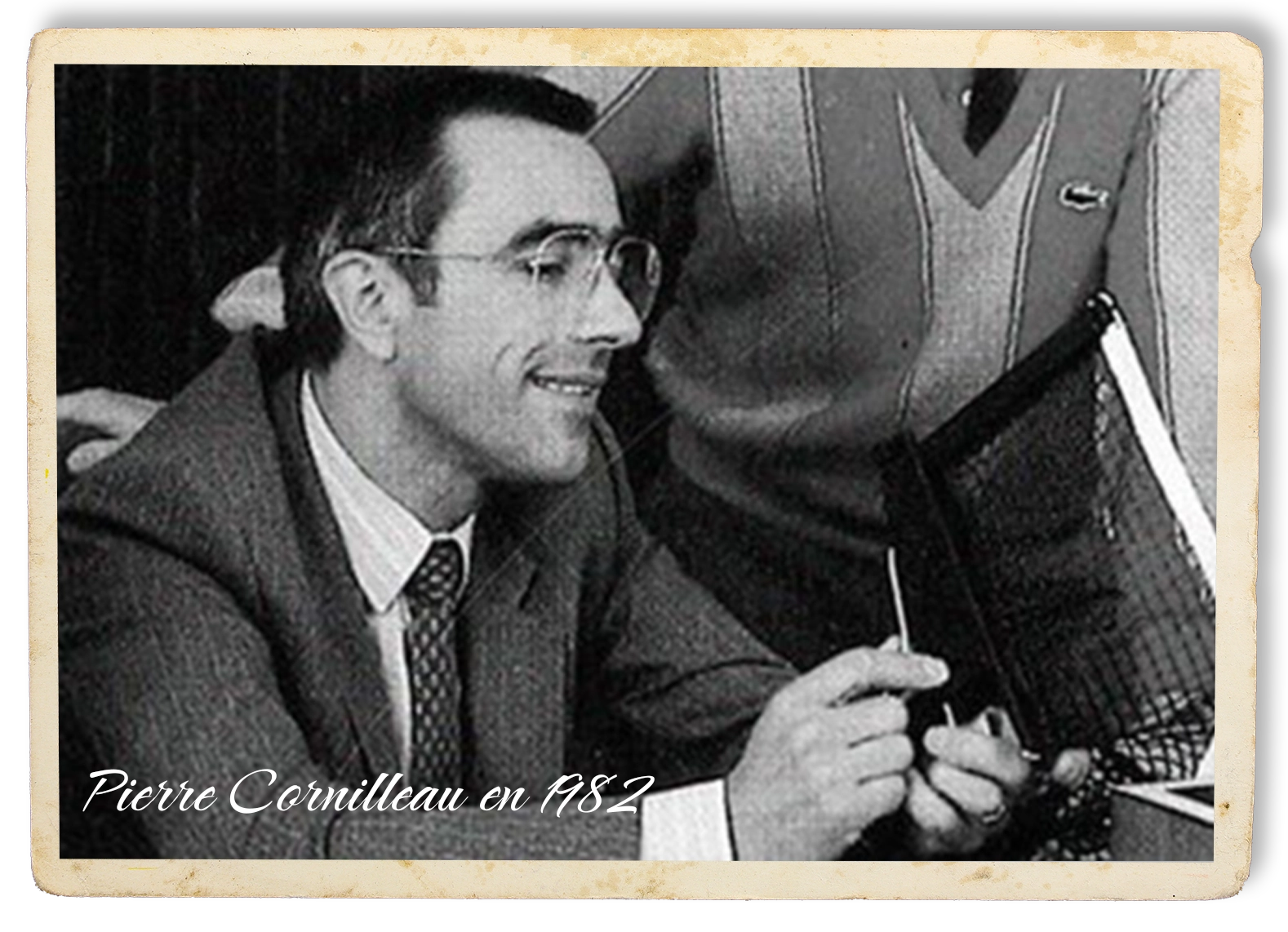
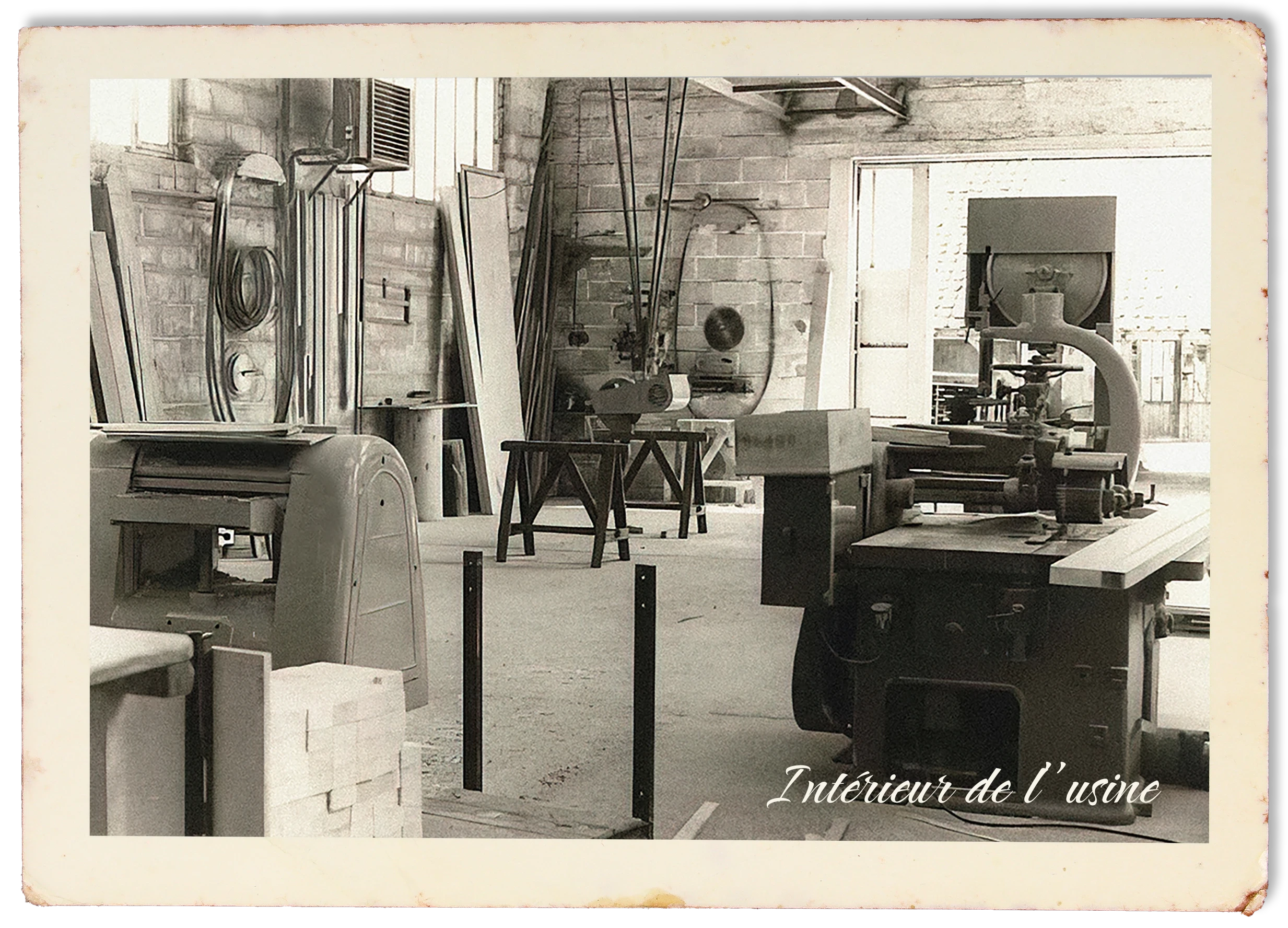
BHV Paris issues a challenge to Cornilleau – to manufacture 300 ping-pong tables for Christmas! In just a few months, the artisanal workshop transforms into a high-performance factory. Thanks to Émile's audacity and the vision of his son Pierre, the company rises to the challenge with brilliance.
1982
Jacques Secrétin
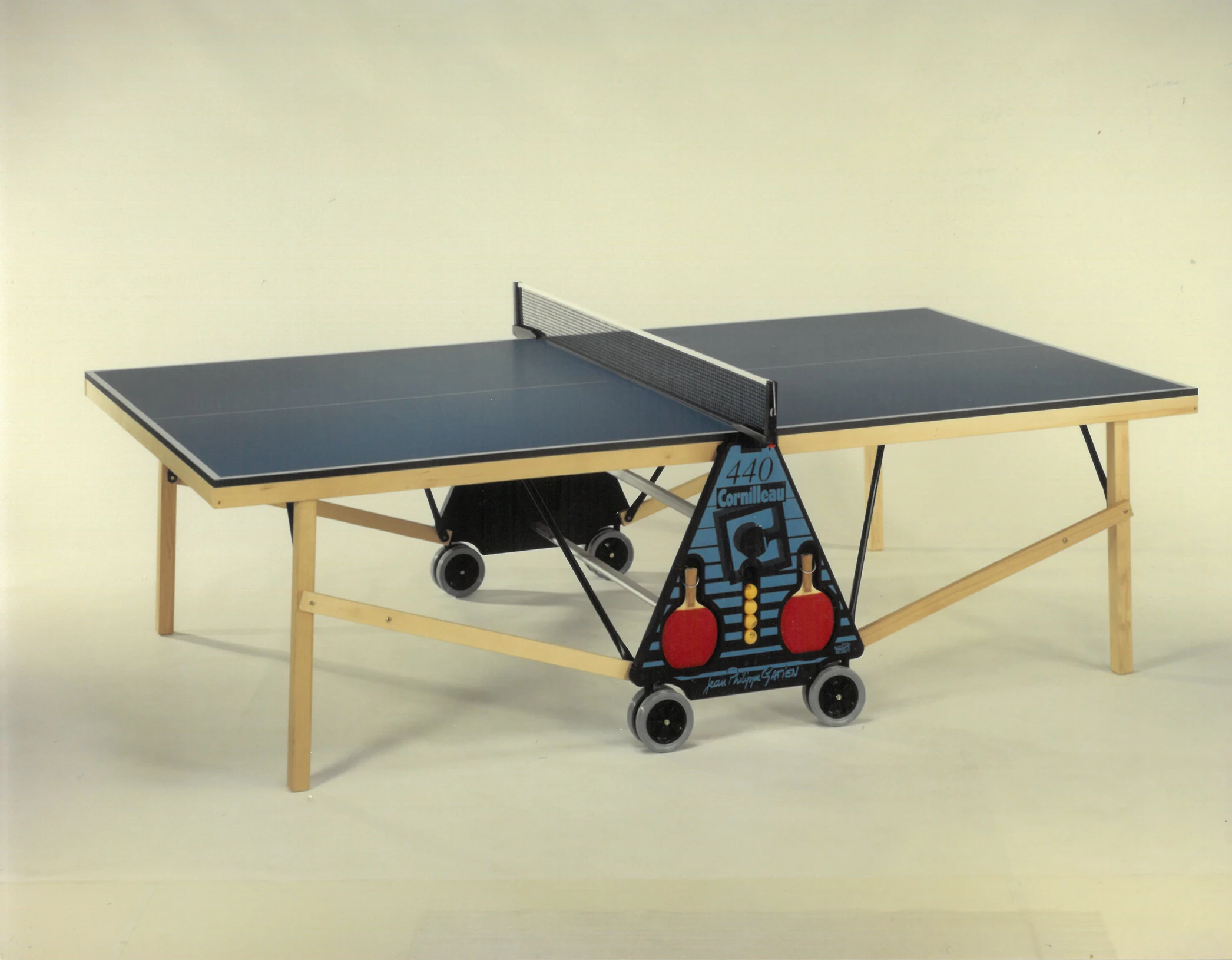
More than just a manufacturer, Cornilleau aims to become a benchmark brand! Following the advice of a buyer from the COOP, and with the goal of developing Cornilleau's image, Pierre Cornilleau now the company’s director invites Jacques Secrétin, multiple-time French Champion and 1976 European Champion, to design exceptional tables. The player would go on to mark Cornilleau's history by bringing his expertise to the design of competition tables. The "420" table was rebranded as the "420 Secrétin." In this way, notoriety was added to quality and price.
1988
Ping-pong goes outdoor
The launch of the first outdoor table by focusing on a revolutionary material: solid laminate. This innovation brings ping-pong outside, into gardens and onto terraces, making the sport more accessible and enjoyable for everyone.
1993
A World Champion ambassador
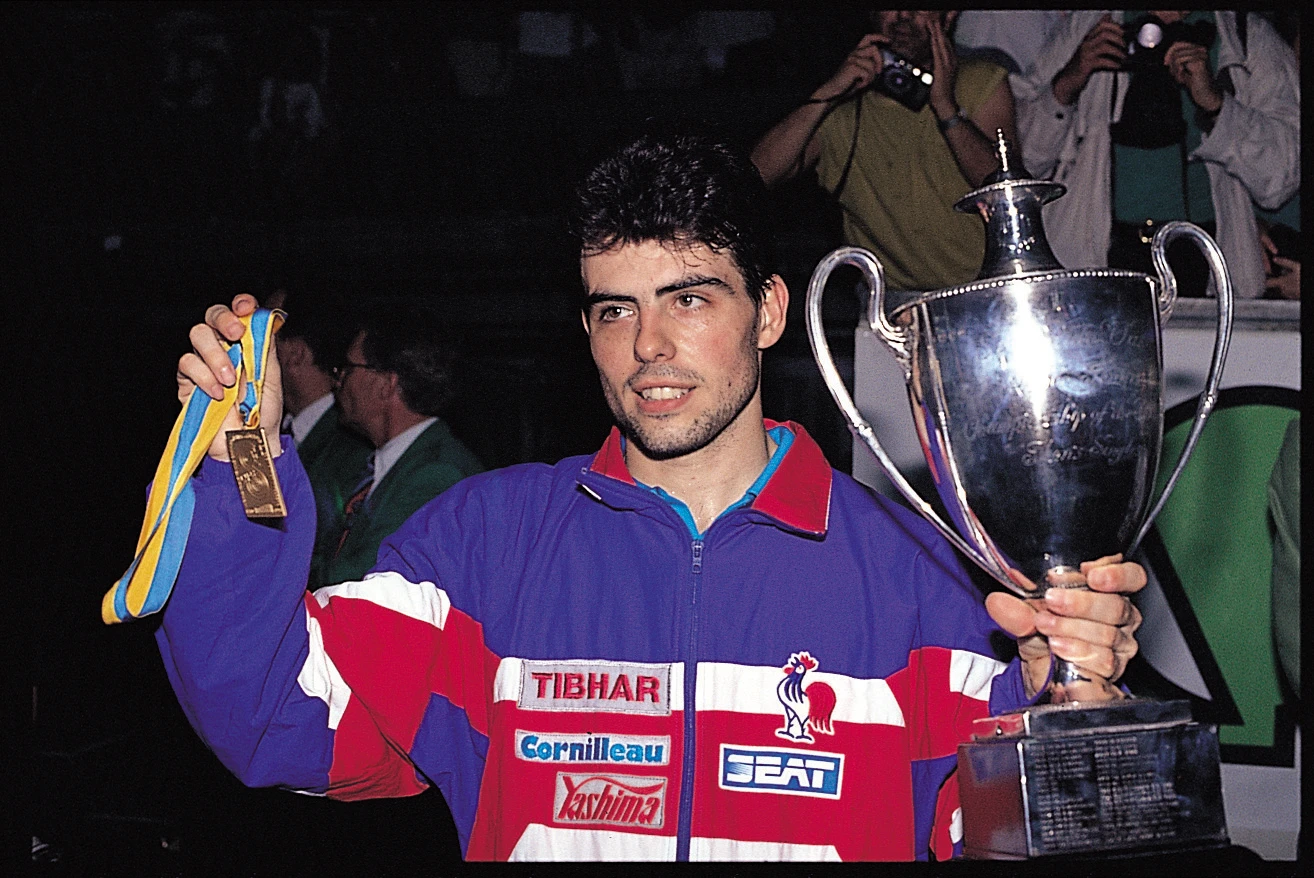
Table tennis player Jean-Philippe Gatien, Olympic Silver Medalist in Barcelona in 1992, becomes the official brand ambassador. A few months later, he wins the title of World Champion in Gothenburg in 1993. To this day, his record makes him the greatest French table tennis player of all time. Between Cornilleau and "Philou," a precious collaboration begins for future innovations and the support of upcoming champions.
1995
The compact table
The Compact table, thanks to its patented technology, revolutionizes the market by offering an unparalleled level of safety and an ultra-reduced footprint.
2005
Tacteo - The first Outdoor racket
The Tacteo, the world's first outdoor racket, revolutionizes playing habits. Made from composite material, it is resistant to shocks and weather conditions. Its modern and colorful look quickly becomes a standard.
2013
Launch of the Park
With a load capacity of up to 1,600 kg and offering an exceptional playing experience, the Park table has set a new benchmark. It has provided local authorities and communities with a durable, high-quality alternative to traditional concrete ping-pong tables.
2019
More than just Ping
After 50 years in table tennis, Cornilleau writes a new chapter in its history through innovation. Having turned ping-pong into an outdoor game, this time billiards will see its practice freed from many of its constraints.
2022
The game brings us together
Following the success of outdoor billiards, Cornilleau is expanding its range with an outdoor foosball table and a convertible ping-pong table. Other models of ping-pong and billiard tables will quickly follow.
This new collection of designer game furniture named "Play-Style" continues to grow and reach new audiences.
2026
A human adventure
Cornilleau's success is built on its products, but first and foremost on the men and women who know how to push boundaries and transform ideas into reality. Since its creation in 1946, the company has had three presidents, each of whom brought their own vision and energy to make Cornilleau the brand it is today.
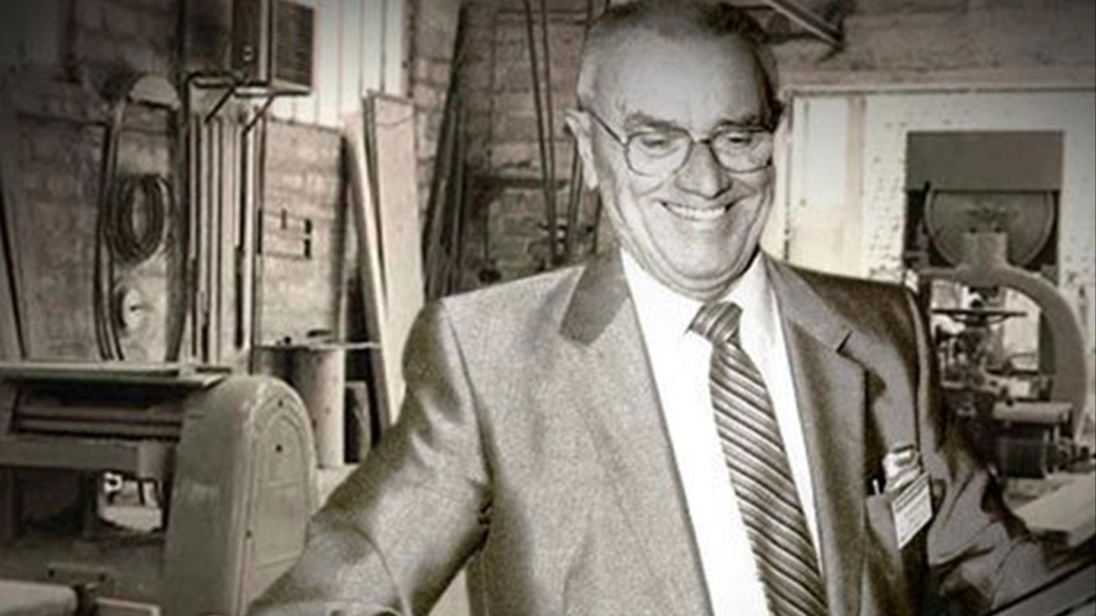
Émile Cornilleau
President from 1946 to 1979
Working with materials and woodworking expertise
When he left Paris for the Oise region on the advice of his in-laws, Émile intended to put his woodworking skills to good use and opened his workshop to participate in post-war reconstruction. Thus, the Établissements Cornilleau were born, prospering under his leadership in the building sector with a workforce of around twenty people by the end of the 1960s.
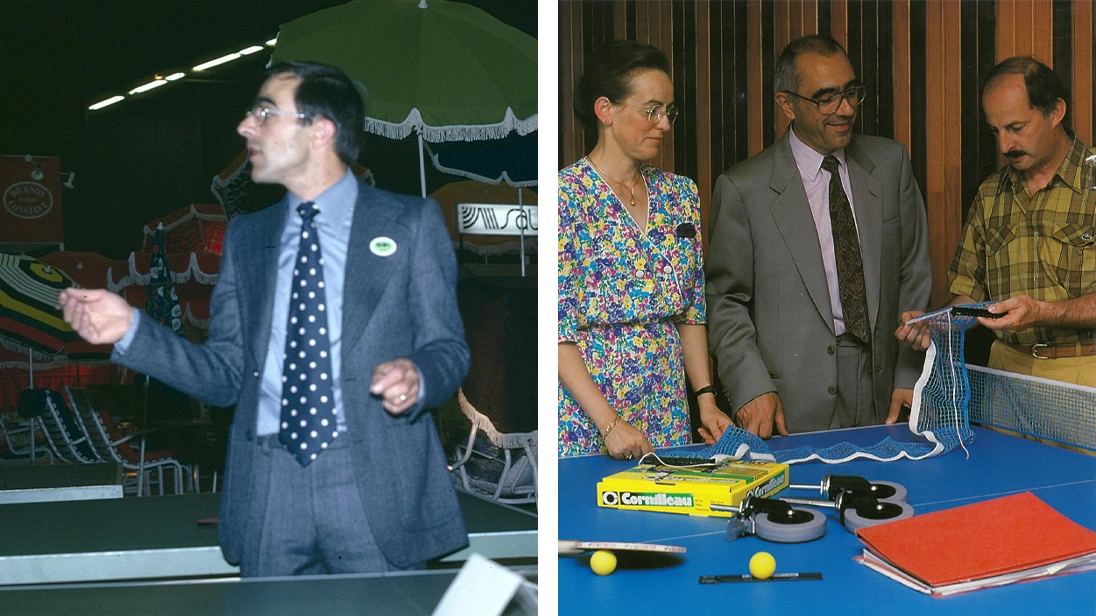
Pierre Cornilleau
President from 1979 to 2003
Innovation and industrialization of ping-pong tables
In 1961, Pierre joined his father immediately after finishing his studies. His technical background, instinct, and industrial vision led Cornilleau to transform completely, moving from the construction industry to table tennis in 1969. Whether through design, ergonomics, safety, performance, or durability, he never ceased to innovate to make Cornilleau the leader in its sector. His success is inseparable from Colette, his wife and counterpart in the company, who successfully approached the great champion Jacques Secrétin in the early 1980s to create an extremely fruitful partnership for the Cornilleau brand's reputation.
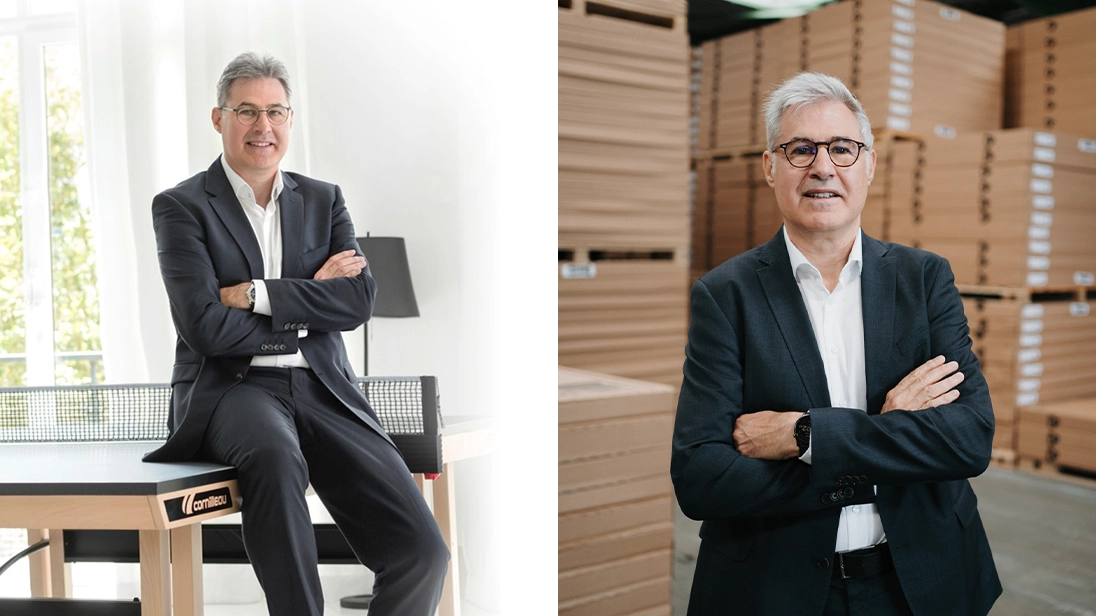
Michel Zany
President since 2003
International expansion and diversification
Having joined as Sales and Marketing Director in 1992, Michel spent 11 years alongside Pierre, who passed on the company’s values and DNA to him. Michel brought his entrepreneurial vision and successfully exported Cornilleau's expertise worldwide. Becoming President in 2003 following Pierre's retirement, he continues and enriches the spirit of his predecessors by constantly innovating and conquering new markets. It was he who led the way for the brand’s diversification, with a full line of ping-pong rackets and accessories (2000s) and the launch of an outdoor billiard table (2019), quickly followed by other products such as trampolines and foosball tables.
Hélène Lupette
Managing Director since 2024
A new stage (ou A new chapter)
Appointed Managing Director in 2024, Hélène Lupette forms a highly complementary duo with Michel Zany. Having arrived ten years earlier as Purchasing Manager, she quickly expanded her responsibilities: supply chain, research and development, production, IT, and the creation of the Cornilleau Steel subsidiary. She has always known how to push boundaries with pragmatism and high standards. Deeply people-oriented, she extends the Cornilleau spirit by bringing a vision based on collective intelligence.